
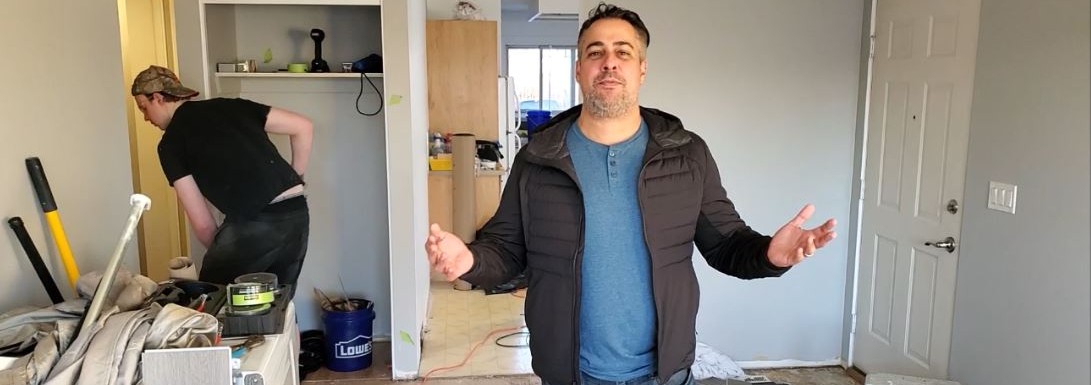
The Best Renovations for Rental Properties: How to Maximize Returns Without Breaking the Bank
For real estate investors, renovating a rental property is a balancing act. You want to attract quality tenants, command a competitive rental rate, and protect the long-term value of your investment without spending more money than necessary. Just as importantly, you want the work completed quickly so you can get the property rented and start collecting income.
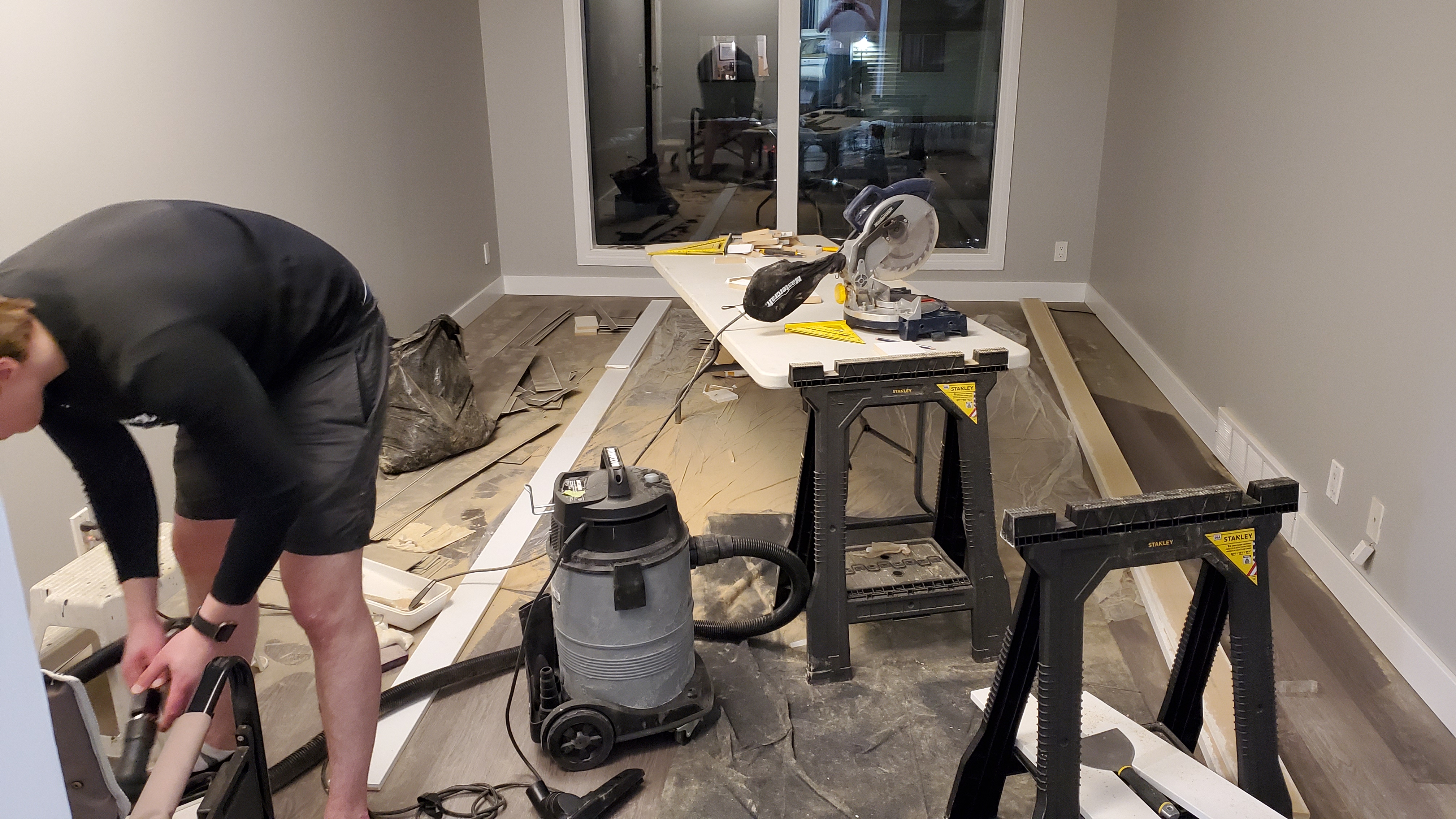
Unlike homeowners who renovate to create their dream home, investors need to think differently. Every dollar spent should have a purpose, whether that means increasing rental income, reducing future maintenance costs, improving tenant appeal, or helping the property stand out in a competitive rental market.
In Calgary and across Alberta, where rental demand and competition can vary by neighbourhood and property type, the best renovations are often not the most expensive ones. They're the practical, affordable improvements that make a property look clean, modern, functional, and move-in ready.
The key is knowing where to spend your money, where to save it, and which projects are unlikely to deliver a worthwhile return.
1. Fresh Paint: One of the Best Returns on Your Renovation Budget
If there is one renovation that almost every rental property investor should consider, it is fresh paint. It is relatively inexpensive, can usually be completed quickly, and makes an immediate difference in how a property looks and feels.
A fresh coat of paint can make an older property feel cleaner, brighter, and better maintained. It also helps eliminate the appearance of scuffs, stains, and years of tenant wear and tear. When prospective tenants walk through a property, first impressions matter. Clean, neutral walls help them picture their own furniture and belongings in the space.
For investment properties, stick with durable, neutral colours that are easy to touch up between tenancies. Warm whites, light greys, and soft neutral tones work well in many settings. Using the same colour throughout the property can also simplify future maintenance and reduce the cost of keeping paint on hand.
Rather than automatically repainting every room, assess the condition of the existing walls. If a bedroom still looks excellent, there may be no reason to spend money on it. Focus on the areas that need attention.
Investor takeaway: Fresh paint is one of the simplest ways to improve tenant appeal without committing to a major renovation. It can also help reduce the time a property spends on the rental market.
2. Update the Kitchen Without Replacing Everything
Kitchens are often one of the most influential areas when prospective tenants compare properties. However, an outdated kitchen does not automatically justify a complete renovation.
Replacing cabinets, countertops, flooring, appliances, and plumbing fixtures can quickly consume thousands of dollars. In many rental properties, a targeted kitchen refresh can deliver a much better balance between cost and tenant appeal.
Start by looking at the existing cabinets. If they are structurally sound, cleaning them thoroughly, repainting them where appropriate, and installing modern handles can make a significant visual difference. A dated faucet can be replaced with a simple, attractive model, while a worn countertop may be worth upgrading if it makes the entire kitchen feel tired.
Lighting can also improve the space. Replacing an old fixture with a modern, energy-efficient option may help the kitchen feel brighter and more inviting.
Appliances deserve a practical assessment as well. If the existing refrigerator and stove work reliably and look presentable, replacing them simply because they are not the newest models may not make financial sense. If they are damaged, unreliable, or noticeably detract from the kitchen, replacement may be worthwhile.
The objective is not to create a luxury kitchen. It is to provide a clean, functional space that compares favourably with similar rentals in the neighbourhood.
Investor takeaway: Refresh existing cabinets, hardware, fixtures, and lighting before considering a complete kitchen replacement. Spend more only when the current kitchen is genuinely limiting the property's appeal or achievable rent.
3. Durable Flooring That Can Handle Tenant Turnover
Flooring is another area where a relatively modest investment can make a rental property considerably more attractive. Scratched floors, stained carpets, and mismatched flooring throughout a home can make even a decent property feel neglected.
For many rental properties, luxury vinyl plank (LVP) is worth considering. It offers a modern appearance, is available in a wide range of styles, and is generally easy to clean and maintain. Its water-resistant properties can also be helpful in areas where spills and everyday wear are a concern, although the product's specifications and installation still matter.
The biggest advantage for investors is durability. Replacing worn carpet or repairing damaged flooring every time a tenant moves out can become expensive. Choosing a suitable, hard-wearing floor can reduce future turnover costs and help get the property ready for the next tenant sooner.
However, replacing every floor in a property is not always necessary. If the existing hardwood is in good condition, refinishing it may be more economical. If the carpet is relatively new and can be professionally cleaned, replacement might be an unnecessary expense.
Pay particular attention to entrances, kitchens, hallways, and other high-traffic areas. These are often the places where flooring shows its age first.
Investor takeaway: Choose flooring based on its total cost over several tenancies, not simply its purchase price. A slightly more durable product can save money and reduce the time required to prepare the property between tenants.
4. Bathrooms: Make Them Clean, Modern, and Functional
Bathrooms can have a significant influence on a prospective tenant's decision, but investors do not necessarily need to install expensive tile, luxury showers, or premium fixtures to make a good impression.
In many cases, a bathroom refresh is enough. A new vanity, updated mirror, modern light fixture, fresh paint, and new faucet can make an older bathroom feel considerably more current. Replacing worn caulking and addressing discoloured grout can also improve its appearance without a major renovation.
Cleanliness and functionality should come first. A bathroom that looks attractive but has poor ventilation, a leaking toilet, or inadequate water pressure is not a successful investment.
If the bathtub, shower, and existing tile are in reasonable condition, keep them. If the tub is badly damaged or the shower has persistent problems, replacement may be justified. The important thing is to distinguish between genuine deficiencies and features that simply look dated.
Investors should also consider how quickly the work can be completed. A straightforward vanity and fixture replacement may be much easier to schedule than a complete bathroom renovation involving plumbing, waterproofing, and tile work.
Investor takeaway: Focus on visible improvements and reliable plumbing. A clean, updated bathroom can strengthen a rental's appeal without the expense and delay of a complete remodel.
5. Lighting: A Small Upgrade That Changes the Entire Property
Lighting is easy to overlook when planning a renovation, yet it can dramatically affect how a property looks during showings and in online rental advertisements.
Old fixtures, dark rooms, and inconsistent lighting can make a property feel dated. Replacing a few unattractive fixtures with simple, modern alternatives can make the space feel brighter and more welcoming.
Use consistent colour temperatures throughout the property where practical. Warm or neutral-white lighting often creates a comfortable residential atmosphere, while extremely cool lighting can make living spaces feel less inviting.
It is also worth checking whether existing fixtures are positioned effectively. A dark kitchen or basement may benefit from improved lighting more than it would from decorative upgrades elsewhere.
LED lighting is another sensible choice because it generally consumes less electricity and lasts longer than traditional incandescent bulbs. The financial benefit will depend on the fixtures being replaced and who pays the electricity bill, but the reduced maintenance can be valuable regardless.
Investor takeaway: Lighting upgrades are relatively inexpensive, can be completed quickly, and help make the entire property show better. They are particularly useful when preparing photographs for an online listing.
6. Improve Curb Appeal Without Expensive Landscaping
A tenant's first impression begins before they walk through the front door. If the lawn is overgrown, the entrance is cluttered, or the exterior looks poorly maintained, prospective tenants may assume the inside of the property has been neglected as well.
Fortunately, improving curb appeal does not require an expensive landscaping project.
Start with the basics. Mow the lawn, trim shrubs, remove weeds, clear debris, and ensure the entrance is clean and accessible. If the front door looks tired, a fresh coat of paint may be all that is needed. Repair loose railings, replace broken exterior lights, and address any obvious damage.
In Calgary, it is also worth considering how the property presents itself during the winter months. Safe walkways, effective exterior lighting, and a well-maintained entrance can make a difference when tenants are viewing properties in colder weather.
Large landscaping projects, elaborate gardens, and expensive decorative features rarely make sense unless the property's target rental market supports the additional expense.
Investor takeaway: Spend enough to make the exterior look cared for, safe, and inviting. Simple maintenance can improve tenant interest without adding a large renovation bill.
7. Add Practical Features That Tenants Actually Want
Sometimes the best renovation is not cosmetic at all. It is an improvement that makes everyday living more convenient.
For example, adding in-suite laundry where it is practical may make a property more competitive against similar rentals without that feature. Improving storage, adding closet organizers, creating a useful pantry, or providing secure bicycle storage may also appeal to the right tenant.
In Calgary, investors should pay particular attention to the features that distinguish their property from competing rentals in the same neighbourhood. For a family, that might mean functional storage and a fenced yard. For a professional renting a condominium, in-suite laundry and secure parking may be more important.
A legal secondary suite can be a more substantial value-add for certain properties. Creating a separate rental unit may provide another income stream, but the project can involve considerable construction costs, permitting, building-code requirements, and time. It is not a quick cosmetic renovation and should be evaluated using a detailed financial analysis.
The same principle applies to adding air conditioning, upgrading windows, or improving insulation. These projects may enhance comfort, reduce certain operating expenses, or improve marketability, but their financial benefits depend on the property and the local rental market.
Before spending money on any new feature, compare similar properties that already offer it. If those rentals command a meaningful premium or attract tenants more quickly, the improvement may warrant further investigation.
Investor takeaway: Prioritize practical features that solve a problem for your target tenant. Do not assume an expensive addition will produce higher rent simply because it improves the property.
8. Fix Maintenance Problems Before Spending on Cosmetic Upgrades
It can be tempting to focus on renovations that look impressive in photographs. However, some of the most important investments are the ones tenants barely notice when everything is working properly.
A leaking pipe, unreliable furnace, damaged roof, faulty electrical system, or persistent moisture problem can create far more expensive consequences than an outdated kitchen.
These issues should be addressed before discretionary cosmetic work. Alberta landlords also have an obligation to ensure rental premises remain habitable, including maintaining essential services and addressing conditions that affect the property's suitability for occupation.
Preventive maintenance can also protect cash flow over the long term. For example, repairing a small plumbing leak promptly may prevent damage to flooring, cabinets, and drywall. Keeping heating equipment in good working order can reduce the risk of an unexpected failure during a Calgary cold snap.
Not every maintenance project will increase rent, and that is not necessarily the point. Sometimes the best return comes from avoiding a large repair bill, protecting the asset, and preventing disruption to the tenancy.
Investor takeaway: Separate necessary maintenance from optional upgrades. Take care of safety, habitability, and building-condition issues first, then direct your remaining budget toward improvements that can strengthen rental performance.
9. Renovations Investors Should Think Twice About
One of the biggest mistakes investors make is renovating a rental property to their personal taste rather than to the expectations of the tenant they want to attract.
High-end countertops, custom cabinetry, expensive imported tile, elaborate feature walls, and luxury bathroom finishes may look impressive, but they do not automatically translate into higher rental income. If comparable properties rent for similar amounts without these upgrades, the extra expenditure may be difficult to recover.
Basement finishing also deserves careful consideration. It can make sense if the additional living space is valuable to tenants in that market, but it can be expensive. If the goal is to create a separate rental suite, the investor must also account for applicable permits, code compliance, and construction requirements.
Another mistake is changing too many things at once. If you replace the flooring, renovate the kitchen, upgrade the bathrooms, and repaint the entire property without first establishing a realistic rental target, it becomes difficult to know whether the combined expenditure is financially justified.
A better approach is to identify the property's biggest weaknesses, determine what competing rentals offer, and invest only in the improvements that address those gaps.
10. How to Calculate Whether a Renovation Is Worth It
Before approving a renovation, investors should look beyond the appearance of the finished product. The important question is whether the project improves the property's financial performance enough to justify its cost.
Consider this hypothetical Calgary rental property. An investor has a dated but functional kitchen and is deciding whether to spend $3,000 on a targeted refresh.
Example: A $3,000 Kitchen Refresh
Illustrative numbers only, not a forecast of achievable Calgary rents.
Renovation cost
$3,000
Potential additional rent
$100/month
Additional gross rent per year
$1,200
Simple payback period
2.5 years
The simple payback calculation is $3,000 divided by $1,200 in additional annual gross rent. It excludes maintenance, operating costs, vacancy, financing, and any change in property value.
This example shows why the potential rental increase matters just as much as the renovation cost. If the improvement does not support higher rent, the investor needs to justify it through another benefit, such as attracting tenants more quickly, reducing future maintenance, or avoiding a competitive disadvantage.
It is also important to remember that a higher advertised rent does not guarantee a higher achieved rent. Before starting work, compare the property with genuinely similar rentals in the same area and consider how much tenants are actually willing to pay for the proposed upgrade.
11. Keep Renovation Time Short to Protect Cash Flow
For a price-conscious investor, the renovation budget is only part of the equation. The time it takes to complete the work can be just as important.
Every additional week a property sits vacant can mean lost rental income. A renovation that produces a slightly more attractive finish but delays occupancy by a month may not be worth it.
Suppose a rental property could reasonably earn $2,000 per month. One month of vacancy represents $2,000 in gross rent that the investor will not collect. If the investor also pays utilities, insurance, and other carrying costs during the vacancy, the actual financial impact may be higher.
That is why it makes sense to plan renovations around a clear scope of work. Obtain contractor quotes before work begins, order materials in advance, and schedule trades in the correct sequence. Where possible, complete painting, flooring, cleaning, and minor repairs in a coordinated period rather than allowing the project to drag on.
If the property is already vacant, avoid adding unnecessary projects simply because contractors are on site. An additional upgrade should still make financial sense on its own merits.
If the property is occupied, consider whether work can reasonably be completed between tenancies or in stages without unnecessarily disrupting the tenant. Alberta's tenancy rules also matter when planning major work that requires a tenant to vacate.
The goal is to have the property clean, functional, and ready for showings as quickly as practical, without cutting corners on quality or safety.
Renovate Like an Investor, Not a Homeowner
The best rental property renovations are usually the ones that solve practical problems, improve the tenant's experience, and protect your investment without requiring a large upfront commitment.
For many Calgary rental properties, that means starting with fresh paint, durable flooring, updated lighting, and modest kitchen and bathroom improvements. It also means maintaining the exterior, fixing problems promptly, and considering practical features that make the property more competitive.
Major renovations can absolutely make sense, particularly when they create additional usable space or unlock a new income stream. However, they should be supported by realistic numbers rather than the assumption that spending more automatically produces better returns.
As a real estate investor, your objective is not to own the nicest rental property on the block. It is to own a property that tenants want to rent, that is affordable to maintain, and that contributes to your long-term wealth.
Spend where tenants notice the difference. Choose materials that last. Keep the work moving. And make every renovation dollar earn its place in your investment strategy.
Calgary Real Estate Wealth is a full service real estate investment firm that sources, analyzes & negotiates premium investment properties for its investors since 2006. Calgary Real Estate Wealth offers mentorship on all aspects of real estate investing investing through bi-weekly webinars, blogs, podcasts, books & its You tube channel, CREW TV. Calgary Real Estate Wealth also offers, through it's leasing division, CREW Property Services, tenant placement services, ongoing leasing services, and property maintenance and renovations for each property purchased. Real estate investing has never been so easy!
Posted by Calgary Real Estate Wealth onEnjoy this blog post? Click here to subscribe for updates
Leave A Comment