

How Do Turnkey Properties Work for Investors?
Understanding the Ready-to-Rent Real Estate Investment Model
Real estate investing has long been considered one of the most reliable ways to build wealth, generate passive income, and create long-term financial stability. However, not every investor wants to spend months renovating distressed homes, coordinating contractors, handling unexpected repairs, or preparing a property for tenants. Many investors want a simpler approach that allows them to start earning rental income immediately. This is where turnkey properties have become increasingly popular.
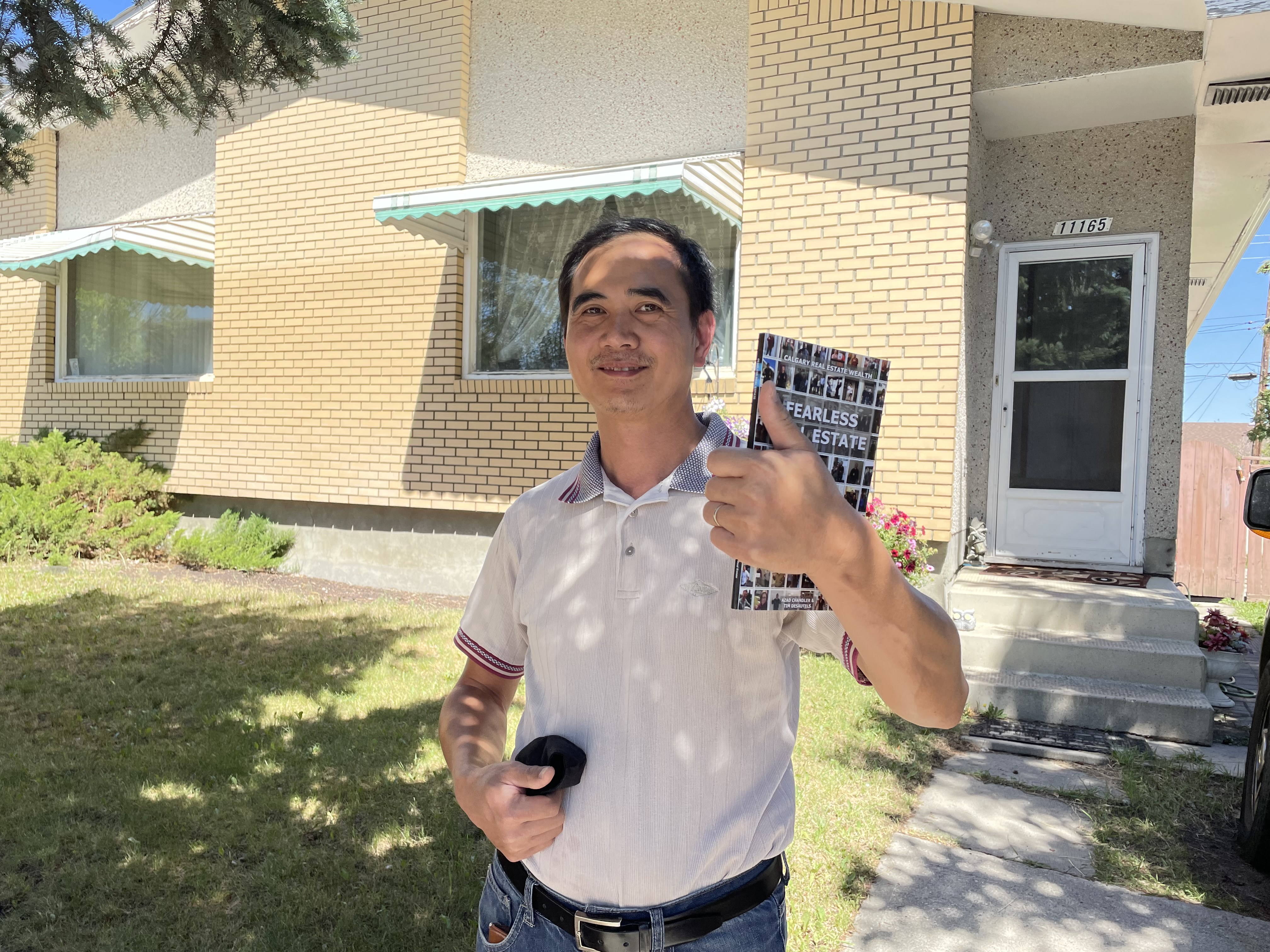
A turnkey property is designed to provide investors with a ready-to-rent real estate investment that requires little or no immediate work. In many cases, theseproperties are already renovated, professionally managed, and occupied by tenants. Investors can purchase the property and begin collecting rental income almost immediately after possession. For busy professionals, first-time investors, out-of-town buyers, or those seeking a more passive investment experience, turnkey real estate can offer an attractive alternative to traditional fixer-upper projects.
Understanding how turnkey properties work, the different types available, and the advantages and risks involved can help investors decide whether this strategy fits their long-term goals.
What Is a Turnkey Property?
A turnkey property is a fully renovated or newly built property that is ready for immediate occupancy and rental income generation. The term “turnkey” refers to the idea that an investor can essentially turn the key, take ownership, and begin operating the property without needing to complete renovations or major repairs.
Most turnkey properties are sold specifically with investors in mind. These properties are often offered by real estate investment companies, builders, developers, renovation specialists, or landlords looking to sell stabilized rental properties. Unlike distressed homes that may require extensive updating before they can attract tenants, turnkey properties are generally in move-in-ready condition and frequently already have renters in place.
Many turnkey properties also come with property management services already established. This creates an even more hands-off experience for investors who do not want to manage day-to-day tenant issues themselves.
How the Turnkey Investment Model Works
The turnkey investment model simplifies many of the traditional steps involved in buying rental real estate. Instead of purchasing a property that needs repairs, organizing renovations, and then searching for tenants, the investor purchases a completed investment product that is already producing or prepared to produce income.
The process usually begins with the investor selecting a property that has either been newly constructed or professionally renovated. The property may already include upgraded flooring, modern kitchens and bathrooms, updated electrical and plumbing systems, new appliances, and cosmetic improvements designed to appeal to renters.
Once the investor purchases the property, professional property management is often already in place. The property manager may handle tenant screening, rent collection, maintenance coordination, inspections, lease renewals, and emergency calls. This is particularly attractive for investors who live in another city or province, or for those who simply do not want the responsibilities that come with active property management.
One of the major advantages of turnkey investing is that rental income can begin almost immediately. Instead of spending months carrying financing costs while renovations are completed, investors can purchase a stabilized income-producing property that already has paying tenants in place.
Why Investors Are Attracted to Turnkey Properties
Many investors are drawn to turnkey real estate because it offers simplicity and convenience. Traditional real estate investing can involve significant amounts of time, stress, and uncertainty, especially when major renovations are involved. Turnkey investing reduces many of those challenges.
One of the biggest advantages is immediate cash flow. Since the property is already ready for occupancy, investors avoid lengthy renovation timelines and can begin generating rental income right away. This can improve overall financial predictability and reduce the amount of time the property sits vacant.
Turnkey properties also appeal to investors who have demanding careers or busy lifestyles. Rather than spending evenings and weekends coordinating contractors, sourcing materials, and overseeing construction projects, investors can rely on professional management and focus on the financial side of the investment.
Financing is often easier as well. Lenders generally prefer properties that are habitable, occupied, and in good condition. Properties requiring major repairs can sometimes present financing challenges or require specialized lending products.
Another appealing aspect of turnkey properties is the relative predictability of maintenance costs during the early years of ownership. Many turnkey properties have already undergone significant upgrades such as roofing, plumbing, furnaces, flooring, windows, or electrical systems. While no property is entirely maintenance-free, investors may face fewer immediate repair surprises compared to older unrenovated properties.
Different Types of Turnkey Investment Properties
Turnkey investing is not limited to one style of property. Investors can choose from several types of real estate depending on their goals, budget, risk tolerance, and desired level of cash flow.
Single-Family Detached Homes
Single-family homes are among the most common types of turnkey investment properties. These homes tend to attract long-term tenants, particularly families seeking privacy, outdoor space, and access to schools and parks.
For example, an investor may purchase a renovated three-bedroom bungalow in a growing suburban neighborhood in Calgary. The property could feature updated flooring, a renovated kitchen, a finished basement, and a detached garage. If tenants are already occupying the property and paying market rent, the investor may begin generating cash flow immediately after taking possession.
Single-family homes often perform well because they appeal to a broad segment of renters and typically maintain strong resale value over time. However, because there is only one tenant, vacancy risk can be higher if the property becomes empty.
Duplexes and Suited Homes
Suited properties and duplexes have become increasingly popular among investors because they generate multiple streams of rental income from a single property. These properties may include legal basement suites, up-and-down duplexes, or side-by-side duplex configurations.
An investor in Calgary may purchase a fully renovated home with a legal basement suite where the upper unit rents for $2,100 per month while the basement suite rents for $1,450 per month. The combined rental income can create stronger monthly cash flow than many traditional single-family homes.
Suited properties also help reduce vacancy risk because even if one unit becomes vacant, the second unit continues generating income. In markets where affordability is becoming increasingly important, basement suites and duplexes often remain in high demand.
However, these properties can require more management due to the presence of multiple tenants. Investors also need to consider parking requirements, utility arrangements, and local bylaws governing legal suites.
Townhouses
Townhouses are another popular turnkey investment option because they often strike a balance between affordability and tenant appeal. These properties tend to attract young professionals, small families, and downsizers who want more space than a condominium but less maintenance than a detached home.
A turnkey townhouse investment may feature three bedrooms, an attached garage, modern finishes, and professionally managed exterior maintenance. In many cases, landscaping and snow removal are handled through a condominium corporation, reducing some of the owner’s responsibilities.
Townhouses often provide a more affordable entry point into real estate investing compared to detached homes. However, investors should carefully review condominium documents and understand any restrictions, fees, or potential special assessments that may affect profitability.
Condominium Units
Condominiums are often viewed as one of the most passive forms of turnkey investing. Because exterior maintenance, landscaping, and common area upkeep are handled by the condominium corporation, investors can often enjoy fewer maintenance responsibilities.
An investor may purchase a downtown condo in Calgary located near major employment centers, transit routes, restaurants, and shopping amenities. The unit may already include a professional tenant, underground parking, in-suite laundry, and access to fitness facilities.
Condos can provide relatively affordable access to the real estate market and may appeal strongly to young professionals and urban renters. However, investors must account for condominium fees, which can significantly affect monthly cash flow. Some condo boards may also impose restrictions on rentals, short-term leasing, or pets.
Small Multi-Family Buildings
More experienced investors sometimes purchase turnkey small multi-family properties such as fourplexes or small apartment buildings. These properties provide multiple income streams and can offer stronger economies of scale compared to single-unit investments.
For example, an investor may purchase a renovated fourplex where all units are occupied and major systems such as the roof, plumbing, and heating have already been updated. Because the building contains several rental units, vacancy risk is spread across multiple tenants rather than relying on a single source of income.
Small multi-family properties can produce substantial cash flow and may scale more efficiently over time. However, they also involve higher purchase prices, more complex financing requirements, and increased management coordination.
What Makes a Good Turnkey Investment?
Not every turnkey property is necessarily a good investment. Investors still need to carefully evaluate location, cash flow potential, tenant demand, and the quality of renovations.
Location remains one of the most important factors in real estate investing. Properties located near employment centers, schools, transportation routes, shopping, and recreational amenities tend to attract stronger tenant demand and maintain better long-term appreciation potential. In markets like Calgary, neighborhoods with strong population growth and infrastructure investment often perform particularly well.
Cash flow analysis is also essential. Investors should carefully calculate mortgage payments, taxes, insurance, maintenance reserves, vacancy allowances, and property management costs to determine whether the property generates positive monthly income.
The quality of renovations should never be overlooked. Some turnkey properties may look visually appealing while hiding poor workmanship or neglected systems behind cosmetic upgrades. Investors should still conduct thorough inspections and verify that renovations were completed professionally and with proper permits where required.
Strong tenant demand is another critical factor. Even the most beautifully renovated property can become a poor investment if there is insufficient rental demand in the area. Investors should study vacancy rates, local employment trends, and average rental pricing before purchasing.
Risks Associated With Turnkey Investing
Although turnkey properties can provide many advantages, investors should still understand the risks involved.
One common concern is overpaying. Because turnkey properties are marketed as passive investments, some sellers charge premiums that may exceed local market value. Investors should always compare comparable sales and independently verify projected rental income and expenses.
Property management quality is another major consideration. Even an excellent property can become problematic if managed poorly. Weak property management can lead to increased vacancies, maintenance neglect, tenant disputes, and financial losses.
Turnkey investing may also limit opportunities for forced appreciation. Investors who buy distressed properties and complete renovations themselves can often create significant equity through value-add improvements. With turnkey properties, much of that appreciation has already been captured by the seller or renovation company.
Who Are Turnkey Properties Best Suited For?
Turnkey properties are often ideal for first-time investors who want a simpler entry into real estate ownership. They can also work well for busy professionals who do not have the time or interest to oversee renovation projects or tenant management.
Out-of-town investors frequently use turnkey strategies to purchase properties in markets where they see stronger cash flow or appreciation potential. Investors approaching retirement may also prefer turnkey properties because they provide a more passive income stream with fewer operational responsibilities.
However, investors who enjoy renovations, construction projects, or hands-on management may prefer more active investment strategies such as flipping, BRRRR investing, or major value-add renovations.
Is Turnkey For You?
Turnkey properties offer investors a streamlined and accessible way to enter the real estate market. By purchasing fully renovated or newly built properties that are ready for occupancy, investors can reduce many of the traditional challenges associated with rental property ownership.
Whether investing in single-family homes, suited properties, townhouses, condominiums, or small multi-family buildings, turnkey real estate allows investors to focus more on financial performance and long-term portfolio growth rather than day-to-day construction management.
Like any investment strategy, success depends on careful research, strong financial analysis, quality property management, and selecting properties in desirable locations with long-term rental demand. For investors seeking a more passive approach to real estate investing, turnkey properties can provide an effective path toward building wealth, generating monthly cash flow, and creating long-term financial security.
Calgary Real Estate Wealth is a full service real estate investment firm that sources, analyzes & negotiates premium investment properties for its investors since 2006. Calgary Real Estate Wealth offers mentorship on all aspects of real estate investing investing through bi-weekly webinars, blogs, podcasts, books & its You tube channel, CREW TV. Calgary Real Estate Wealth also offers, through it's leasing division, CREW Property Services, tenant placement services, ongoing leasing services, and property maintenance and renovations for each property purchased. Real estate investing has never been so easy!
Posted by Calgary Real Estate Wealth onEnjoy this blog post? Click here to subscribe for updates
Leave A Comment